How to Convert Units Online: Length, Weight, Temperature & Volume
A practical guide to unit conversions — metric vs imperial, common mistakes, and when each unit type matters.
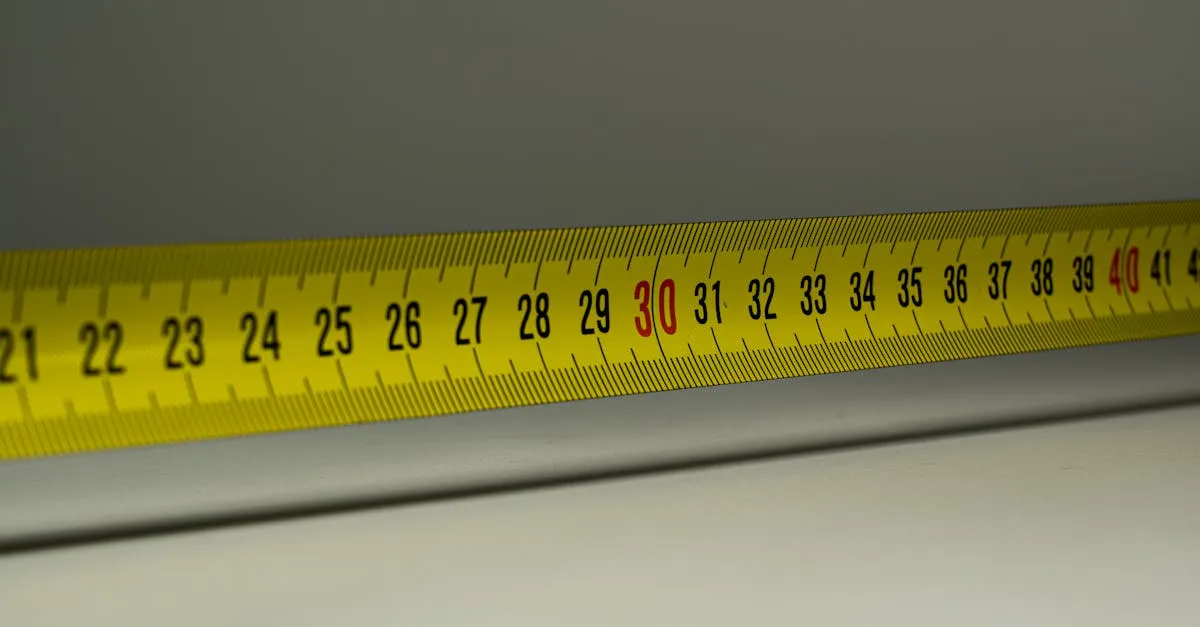
Unit conversion comes up in the most ordinary situations. An American recipe calls for cups and ounces. A product spec uses millimetres. A weather app shows Fahrenheit. The math is rarely hard — but it’s easy to mix up which formula goes which direction, or confuse a US gallon with a UK one.
Why two systems still coexist
The metric system (metres, kilograms, litres, Celsius) is the default in science, medicine, and international trade. The US, Myanmar, and Liberia use imperial units for everyday life — feet, pounds, gallons, Fahrenheit — though even the US uses metric in medicine and manufacturing.
The result is constant translation. A few anchors worth memorising:
- Length: 1 inch = 2.54 cm exactly. 1 mile ≈ 1.609 km.
- Weight: 1 kg ≈ 2.205 pounds. 1 ounce ≈ 28.35 g.
- Temperature: 0 °C = 32 °F (freezing). 100 °C = 212 °F (boiling).
- Volume: 1 litre ≈ 0.264 US gallons. 1 US cup = 236.6 ml.
Length
Length is the most frequently converted unit. Running distances are a common example: a 5K is 3.107 miles, a marathon (42.195 km) is 26.22 miles. TV and monitor sizes are always given in diagonal inches, even in metric countries. Clothing dimensions often require cm-to-inch conversion.
A quick shortcut: multiply centimetres by 0.394 to get inches. Multiply inches by 2.54 to go the other direction.
Weight
For cooking, the gap between US and European recipes comes up constantly. US recipes use cups and ounces; European ones use grams. 100 g of flour is roughly 3.53 oz, though volume-to-weight conversions also depend on density — the Unit Converter handles weight-to-weight only.
Body weight: multiply kg by 2.205 to get pounds. 70 kg ≈ 154 lb. If you’re dealing with UK body weight, 1 stone = 14 lb = 6.35 kg.
Temperature
Three scales matter:
| Scale | Freezing | Body temperature | Boiling |
|---|---|---|---|
| Celsius | 0 °C | 37 °C | 100 °C |
| Fahrenheit | 32 °F | 98.6 °F | 212 °F |
| Kelvin | 273.15 K | 310.15 K | 373.15 K |
Kelvin is used in physics and engineering. It starts at absolute zero (−273.15 °C), so there are no negative values. To convert Celsius to Kelvin, add 273.15.
The Fahrenheit formula is less intuitive: °F = (°C × 9/5) + 32. Two values worth remembering: 20 °C ≈ 68 °F (comfortable room temperature) and 37 °C = 98.6 °F (normal body temperature).
Volume
Volume is where the most confusion happens, especially in cooking.
- 1 US cup = 236.6 ml (not 250 ml — that’s an Australian cup)
- 1 tablespoon = 14.79 ml in the US
- 1 US gallon = 3.785 litres; UK gallon = 4.546 litres
- 1 fluid ounce = 29.57 ml (US). A standard wine glass is about 5 fl oz (148 ml).
The US/UK gallon difference trips people up more than any other unit. Fuel economy comparisons between American and British sources are off by about 20% because of it.
Common mistakes
Confusing mass and weight: kilograms measure mass, Newtons measure force. In everyday cooking and fitness contexts this distinction doesn’t matter, so the converter treats them the same.
US vs UK gallons: always check which one a recipe or spec is using.
Rounding too early: for engineering work, carry the extra decimal places through all your calculations and only round the final result. Rounding at each step compounds the error.
Try the Unit Converter — choose a category, enter a value, and see every conversion at once, instantly and without signup.