How Much to Tip: Percentages, Countries, and Splitting the Bill
What to tip at restaurants, bars, and for delivery, how customs differ by country, and the fastest way to split a bill with tip among friends.
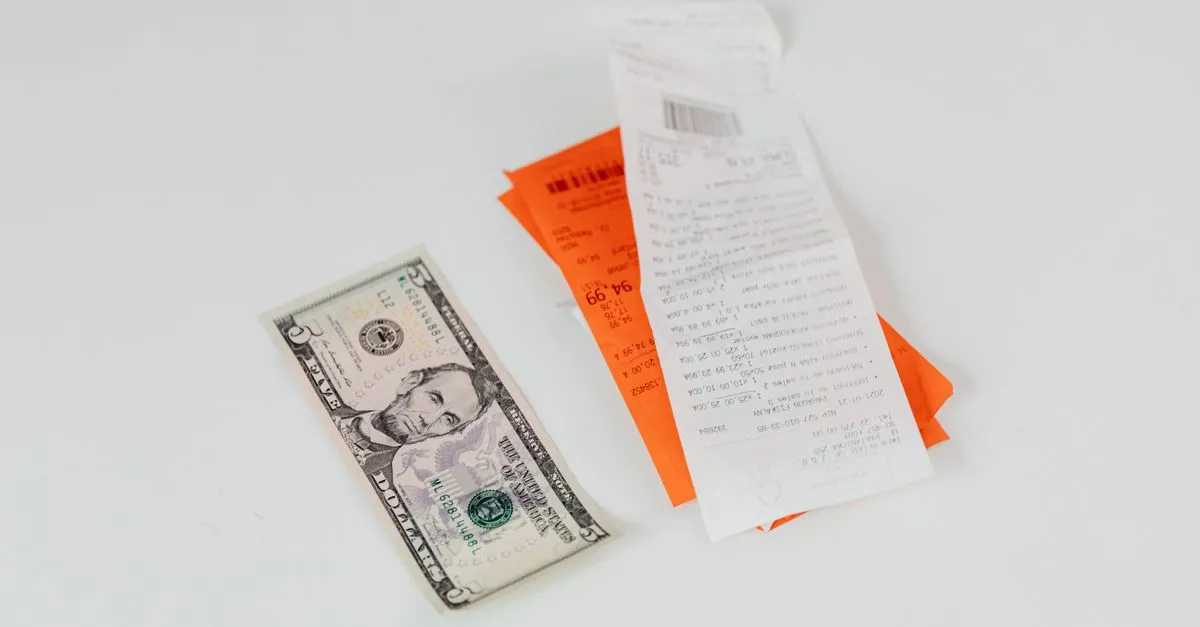
Every group dinner ends the same way: someone squints at the receipt, someone opens their phone calculator, and someone insists that “18% of 87 is basically 15 bucks, right?” (It’s $15.66, but close enough that nobody argues.) Tipping math is simple, yet it manages to be awkward every single time — usually because you’re doing it at the end of a meal, slightly tired, with four people watching.
The Tip Calculator does the whole thing in one pass: tip amount, total, and each person’s share. Here’s the math behind it, plus what’s actually customary.
The basic math
Tip = bill × percentage ÷ 100. An 18% tip on a $64 bill is $64 × 0.18 = $11.52, so you pay $75.52 total.
If mental math is your thing, there’s a well-known shortcut: 10% is just the bill with the decimal moved one place left ($64 → $6.40). Double it for 20%. For 15%, take the 10% figure and add half of it again. Works fine on a calm day. Falls apart after two glasses of wine, which is exactly when you need it.
What’s standard in the US
For sit-down restaurant service, 15–20% of the pre-tax bill is the norm, and in most cities 18–20% has become the default for decent service. A few other common situations:
- Bars: $1–2 per drink, or 15–20% on a tab
- Food delivery: 10–15%, with a reasonable floor of $3–5 even on small orders
- Takeout counter: optional, 0–10%
- Taxis and rideshares: 10–15%
- Hairdressers and barbers: 15–20%
One thing worth knowing: US servers in many states are paid a “tipped minimum wage” that can be as low as $2.13 per hour before tips. That’s why tipping there isn’t really optional the way it is elsewhere — it’s most of the paycheck.
Tipping outside the US
This is where travelers get burned in both directions. In Japan and South Korea, tipping is not expected and can even cause confusion — staff may chase you down to return the money. In much of Western Europe, a service charge is often already on the bill; if it isn’t, rounding up or leaving 5–10% is plenty. The UK sits around 10–12.5% for table service. In Australia and New Zealand, tipping is appreciated but genuinely optional, since hospitality wages are livable.
The safest habit abroad: check the bill for a service charge first. If “service compris” or a 10–12% line item is already there, you’re done.
Pre-tax or post-tax?
Etiquette columns have argued about this for decades, and the official answer is that tipping on the pre-tax amount is perfectly acceptable — tax isn’t a service. In practice the difference is small. On a $100 bill with 8% sales tax, tipping 18% pre-tax versus post-tax is $18.00 versus $19.44. If the service was good, most people don’t bother separating the two.
Splitting without the awkward part
An even split is the path of least friction, and it’s what the calculator does: enter the party size and you get tip per person and total per person, already rounded to cents. For a $187.40 bill at 20% split five ways, each person owes $44.98. Try getting there on a phone keypad in one attempt.
Uneven splits — when one person had the steak and another had a salad — are a different game. The fair approach is to total each person’s items and tip on their own subtotal. Run the calculator once per person; it takes seconds.
Next time the receipt lands on the table, skip the squinting. Open the Tip Calculator, type three numbers, and pass the phone around.