How Long Is a 1,000-Word Speech? The Word-Count Maths
Speaking rates for toasts, talks and podcasts, how to time your own pace, and why your rehearsal always runs a minute longer than the calculator says.
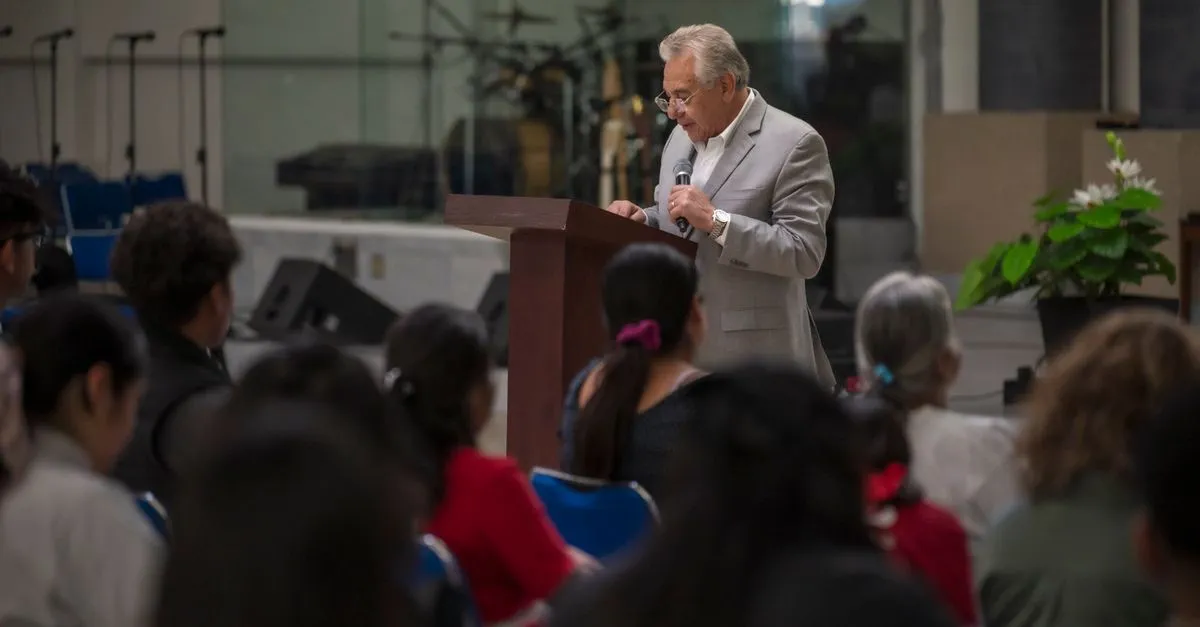
I once watched a best man get the hook at eleven minutes. He had written three pages, decided three pages was nothing, and never said a word of it out loud before standing up. The arithmetic was against him before he started: three double-spaced pages is around 750 words, which is five and a half minutes of talking before you add a single pause.
Word count is the one thing about a speech you can check before you ever open your mouth. The Words to Minutes Calculator does the division for you: paste the script, pick a pace, read the time.
The numbers worth memorising
At 140 words per minute, which is roughly where presentation coaches land for prepared speech:
- 1,000 words is about 7 minutes
- 700 words is about 5 minutes
- 420 words is about 3 minutes
- 75 words is 30 seconds, the entire word budget of a radio spot
Halve the first one and you get the rule I actually use in my head. A thousand words is seven minutes, so five hundred is three and a half. Close enough to tell whether a draft is in the right postcode.
Pace moves the answer more than the script does
Take the same 1,000 words. At 110 wpm, a slow and deliberate read, it runs 9 minutes. At 180, podcast speed, it comes in at 5:33. Nothing about the text changed and the runtime moved by three and a half minutes.
Which means the useful question is not “how long is my speech” but “how long is my speech at my speed”. TED talks average around 163 wpm, which surprises people who assume rehearsed speech must be slow. It is not. Rehearsal strips out the hesitation that slows everyone else down. A wedding toast goes the other way, 100 to 120, because you will be stopping to breathe whether you planned to or not.
Measure yourself, it takes two minutes
Average numbers are fine for a first pass and useless for a tight slot. Record yourself reading 300 words of the actual script, at the speed you intend to use on the day. Time it. Divide 300 by the minutes that took.
Mine came out at 134 wpm on a technical talk and 158 on the same length of casual prose. Same person, same afternoon. What you are saying moves your pace as much as who you are does.
Add ten percent, then rehearse anyway
The calculator times words. A talk contains a great deal that is not words.
A breath at every paragraph break, and a 1,000-word script has about twenty of those. The beat after a line meant to land. Clicking the slide. Water. The laugh, if it comes. None of it is long on its own, and all of it together is routinely a tenth of your runtime.
Multiply by 1.1 for a plain read off the page, 1.2 if there are slides, and keep Q&A out of the sum entirely. Then put a stopwatch on a real run-through, because a measured number beats any estimate, this one included.
When you are over, cut blocks and not words
Speaking faster is the worst fix on the menu. Past about 200 wpm the audience stops following, and hurrying reads as nerves rather than energy.
Take out whole units instead. One example rather than three. The second anecdote. A list of five becomes two and an “and so on”. Removing a ninety-second section is painless; shaving syllables off every sentence costs you an hour and buys back fifteen seconds.
If you are hunting for the fat, the Word Frequency Counter shows you the crutch word you leaned on eleven times, and the Word Counter has the rest of the totals.
Paste your draft into the Words to Minutes Calculator and you will know in a second whether it fits the slot.