How to Test a Keyboard Online and Fix a Dead Key
Find dead, stuck, and chattering keys with a browser keyboard test, then work out whether the cause is dirt, a driver, or a failed switch.
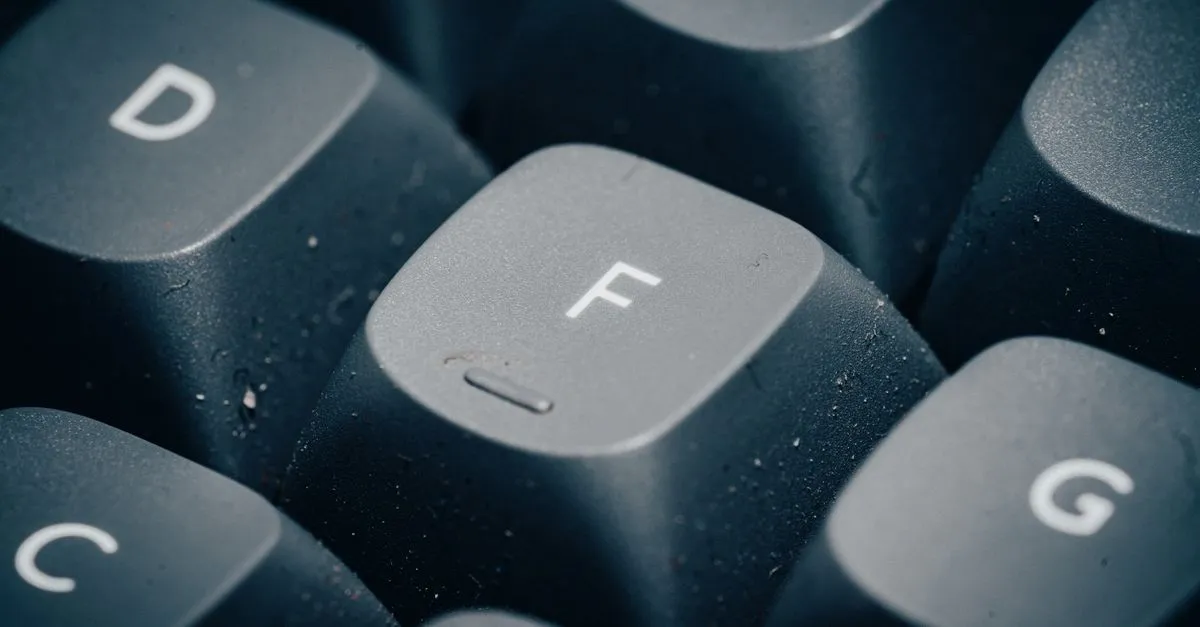
You notice it while typing something ordinary. A word comes out wrong, you retype it, it comes out wrong again. Somewhere on the board a key has quietly stopped answering, and now you’re staring at the keyboard trying to remember which letter you actually pressed.
A browser Keyboard Tester settles it in about a minute. Press keys, watch them light up on the on-screen layout, and whatever stays grey is your problem key.
Three ways a key goes wrong
Dead is the obvious one. Nothing happens: no character, no highlight on the virtual board, no key code in the readout. The signal isn’t reaching the browser at all.
Intermittent is more annoying, because you’ll spend a week thinking you’re just typing badly. The key works when you hit it dead centre, or when you press harder than usual, and fails otherwise. Almost always dirt or a tired contact rather than a dead switch.
Chattering is the sneaky one. One press produces two characters. Youu get worrds thhat look like this. It’s a bouncing contact, and it’s the fault that most often means the switch itself is finished.
There’s a fourth case worth mentioning: a stuck key, which shows up on the test as a keycap that stays highlighted while you’re touching nothing at all. The keyboard keeps sending keydown events for it. If you’ve ever had a browser page scroll on its own or a game character walk into a wall forever, this was probably why.
What the code readout is for
Beyond the pretty lights, the test prints three values for each press, and they mean different things.
code is the physical position on the board. It doesn’t change with your language settings — the key to the left of S reports KeyA whether you’re on a US QWERTY board or a French AZERTY one. This is the value you want when checking hardware.
key is what that position produces right now, under your current layout. Switch your input language and the same physical key starts reporting something else.
keyCode is the old numeric value. It’s been deprecated for years, but plenty of legacy software still reads it, so it’s useful when you’re debugging something that was written a while ago.
That distinction between code and key catches people out constantly. If a key produces the wrong character but still lights up on the layout, the hardware is fine — you’ve got the wrong keyboard layout selected in your OS, which is a two-click fix rather than a repair.
Before you order a new keyboard
Some keys never reach the browser at all, and that’s expected rather than broken. The operating system grabs them first: Windows-key combinations, the Fn media row on most laptops, and on some machines PrtSc. If those stay dark on the test, it means nothing.
For genuinely dead keys, try these in order:
- Plug into a different USB port, straight into the machine rather than a hub or dock. Docks drop keystrokes more often than they get blamed for.
- Test on a different computer. If the key works there, it’s software, not hardware.
- Uninstall the keyboard in Device Manager and reboot so Windows reinstalls the driver. This sounds like the classic useless IT advice, and it fixes it surprisingly often.
- Pop the keycap off and look underneath. Crumbs, hair, and dried coffee account for most “broken” keys on laptops. A puff of compressed air and a cotton bud with isopropyl alcohol resolve most of them.
- Check whether Filter Keys or Sticky Keys got switched on in Windows accessibility settings. Pressing Shift five times in a row toggles Sticky Keys, which is easier to do by accident than you’d think.
If a key survives all five and still doesn’t respond, the switch has failed. On a mechanical board that’s a cheap repair — hot-swap sockets let you pull the switch out with your fingers, and even a soldered one is a ten-minute job. On a laptop it’s a whole keyboard assembly, which is the point where most people start pricing external keyboards instead.
Nothing is logged
Worth stating plainly given what a keyboard test involves: every key event is handled inside your browser tab, nothing is stored, and nothing is sent anywhere. Close the tab and the whole session is gone. Even so, don’t type passwords into any test page, here or elsewhere. It’s a good reflex regardless of who’s promising what.
Got a suspect key? Run the test and find out whether it’s the switch or the driver before you buy anything.